











Lingao Fisherman’s Feast: Fresh Caught & Perfectly Prepared
HICN2026-10-09 16:15:26
The opening of the fishing season every August signals the moment when the best, freshest, and most flavorful seafood starts to arrive in Lingao, Hainan. This major fishing county boasts several natural harbors including Xinying, Diaolou, and Jinpai. The local fresh catch of the day, which is also known as the ‘Eight Treasures of Lingao Seafood’, is cooked into a fisherman’s feast created through local culinary methods such as clear-broth boiling, clay-pot braising, and earthen-kiln roasting.
Lingao’s reputation as a seafood paradise comes from the fresh treasures harvested daily from the Beibu Gulf, which are then prepared in traditional fishing community style. Signature dishes include steamed sea fish, braised dried red snapper, earthen-kiln roasted seafood, mixed fish stew, and blanched shellfish. Each dish focuses on preserving the natural, fresh flavors of the high-quality seafood ingredients.
From clear-broth preparations to clay-pot fish dishes and ancient earthen-kiln roasting techniques, every method of cooking the dishes of the Lingao Fisherman’s Feast showcases the teeming bounty of the Beibu Gulf, the traditional recipes passed down through generations of local fishing families, and the region’s long-standing reputation for top-notch culinary culture.
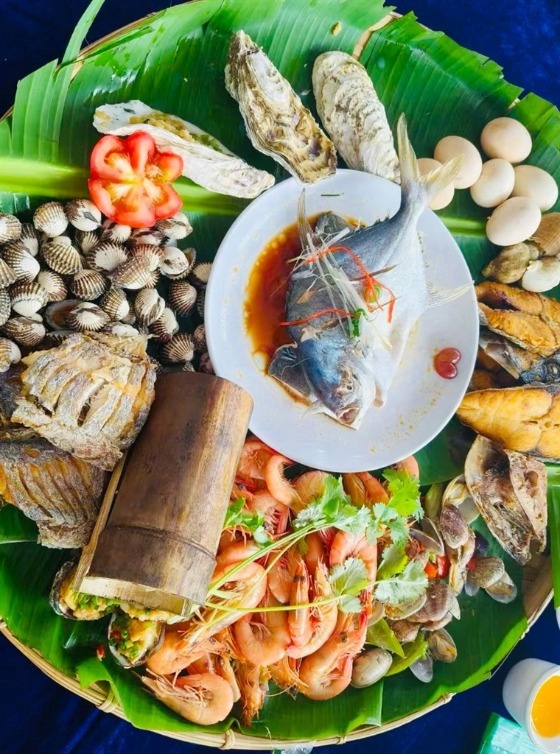
Freshness Shines Through Clear Broth
In Lingao, cooking seafood in a clear broth by either blanching or boiling in hotpot is common. A local saying goes: "Excellent seafood needs no seasoning to improve upon what the ocean has already provided". The Lilimei Restaurant in the county seat takes its name from the national level intangible cultural heritage fishing ballad Lilimei. The owner, Fu Caihong, hails from Diaolou Town. She recalls that when her grandfather and uncle returned from sea during the fishing season, the fresh catch required only a quick boil in clear water and a touch of salt for dipping.
In 2008, Fu’s family opened their restaurant in the county seat, offering a clear-broth seafood hotpot. The pot is filled simply with water, a few slices of ginger, and a pinch of salt. Sometimes, small white clams or black-pig spare ribs are added to enhance the flavor. Small mixed fish are a common ingredient, often including a variety of small fish measuring around the width of three fingers. These fish are prized for their tender flesh and rich, savory flavor. ‘Ox-eye snails’ are named for their resemblance to ox eyes. Dongying ox-eye snails, one of the ‘Eight Treasures of Lingao Seafood’, are harvested from the rocky coastal waters of Dongying Town. After two or three days of sand purging, they provide firm, tasty meat. Sandworms are crisp and full of flavor, especially Maniao Bay sandworms. The worms are usually blanched and dipped in salt or a mixture of soy sauce, minced garlic, and calamansi juice. Other local favorites include boiled mantis shrimp and a soup made with sandworms and white clams.
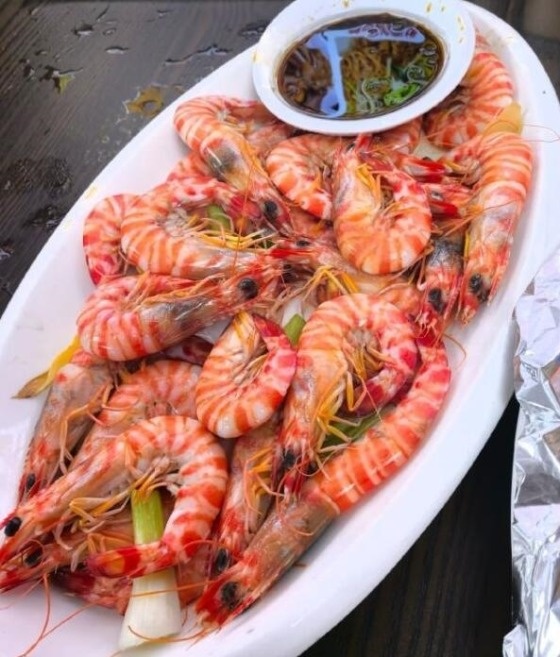
Fuluo Flower Shrimp
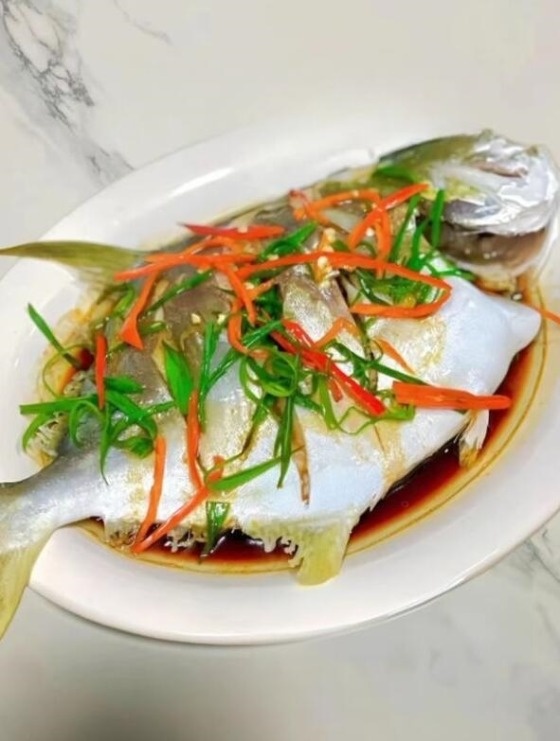
Houshui Golden Pomfret
Clay Pots Lock in Freshness and Flavor
Seafood clay pot stews have gained popularity in Lingao recently, with the ‘mixed small fish pot’ being a standout example. Each serving contains a combination of three or more varieties of fish. A thin layer of light cooking oil coats the bottom of the clay pot, along with a little water and salt but no heavy seasonings, and the fish is slow-simmered over low heat for about 10 minutes. The oil prevents sticking, while the light touch on seasoning ensures the seafood's natural flavor isn't masked. Once the liquid reduces, the fish becomes firm and flavorful. As the fishing season begins, Fu visits the wharf at 7:00 AM every day to select the freshest catch. Squid clay pot dishes are also popular, featuring small squid caught and served the same day. The preparation is similar, with minimal oil and salt added to the slow-simmered squid, preserving the natural springy texture. ‘Glass Squid’, another of the ‘Eight Treasures of Lingao Seafood’, are caught in the near-shore waters of the Beibu Gulf. The translucent, tender flesh offers an excellent mouthfeel and goes down easy. To cater to the different preferences of diners, other dishes at the restaurant include steamed sandworms with garlic, stir-fried ox-eye snails with chili, and stir-fried ox-eye snails with pickled mustard greens.
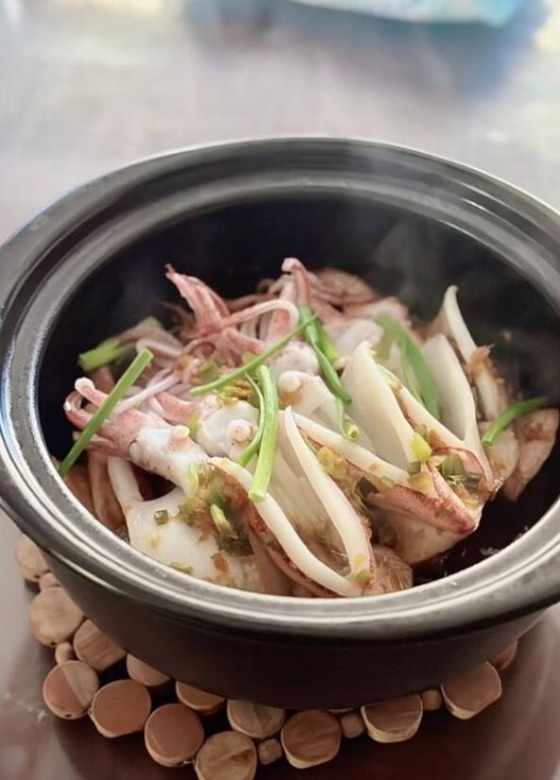
Glass Squid
Earthen Kilns Link the Land and the Sea
Cooking seafood in an earthen kiln in Lingao is an experience to remember. Locally known as ‘baoluo’, this kiln cooking technique is recognized as a county-level intangible cultural heritage art. In 2007, after retiring from military service, Chen Jihai, a native of Xinying Town, opened a farmhouse restaurant specializing in "earthen-kiln" cuisine. Preparing seafood in an earthen kiln begins with constructing a conical structure out of earthen clumps of varying sizes. Dry firewood is placed inside and burned until the clumps glow red hot. After clearing away the ash, the ingredients are arranged based on how long they take to cook, with the items requiring the most time placed at the bottom. Finally, the scorching-hot clumps are broken apart to bury the food, allowing the residual heat to roast it to perfection.
Chen believes that ingredients such as Xinying Orchid Crabs, Diaolou Pipa Shrimp, and squid are particularly well-suited to this cooking method. Xinying Orchid Crabs have thin shells and abundant meat. The blue-marked shells cover firm, succulent meat. Diaolou Pipa Shrimp are known for being packed with roe and firm, springy meat. Large squid are best for kiln roasting, as they shrink during the cooking process. The seafood is simply wrapped in aluminum foil and drizzled with oil. No salt necessary! While the red-hot clumps of earth can reach temperatures of 300 to 400 degrees Celsius, they are typically mixed with clumps that are not fully heated to bring the ambient temperature down to a range of 100 to 200 degrees Celsius. The shrimp are roasted for no more than 10 minutes, while crabs take about 11 to 12 minutes. Coconut and sandworm soup requires the longest cooking time: a fresh green coconut is opened, filled with sandworms and a little water, sealed, and placed in the kiln to roast for nearly an hour.
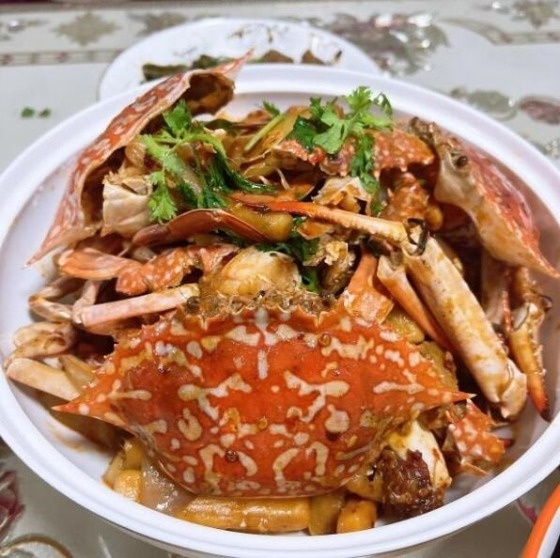
Xinying Orchid Crab
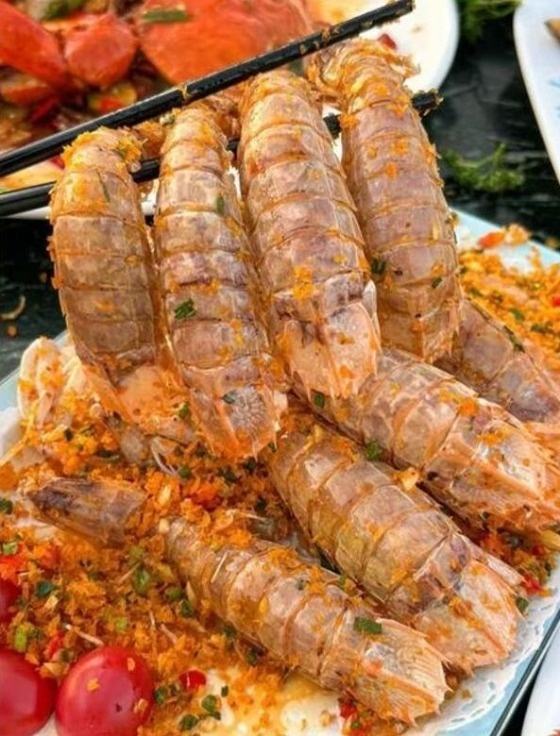
Diaolou Pipa Shrimp
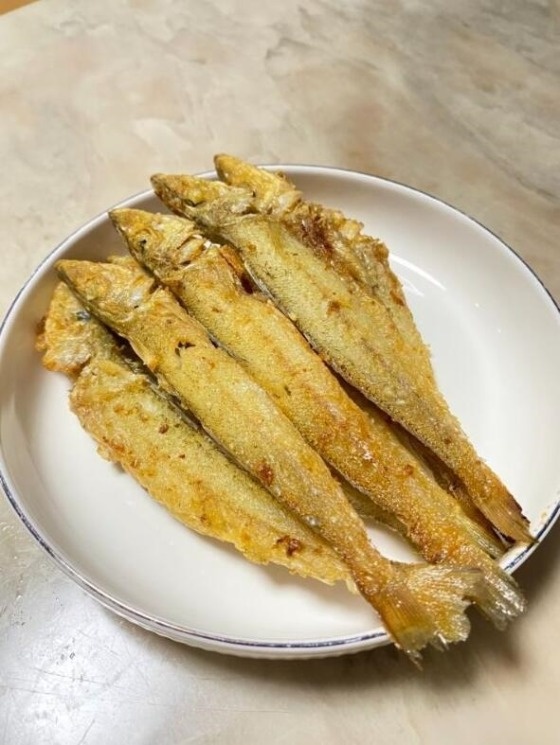
Bopu Sardines
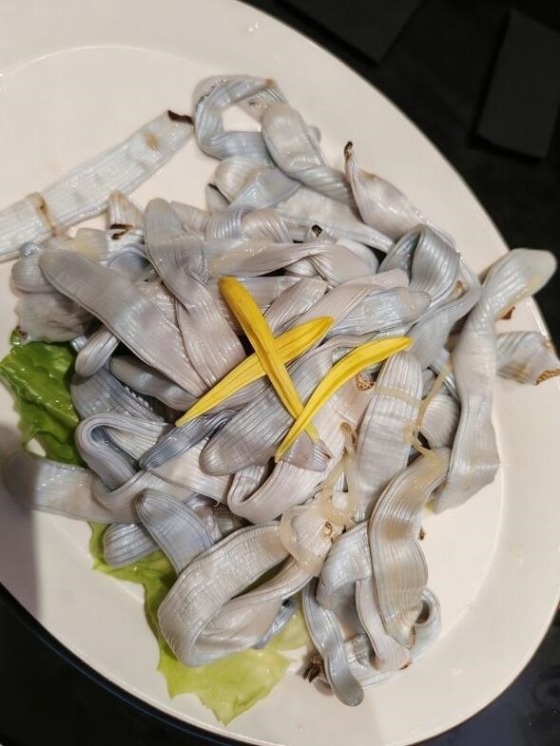
Maniao Bay Sandworms

作者: Nicki Johnson
责任编辑: 李想
南海网版权声明:以上内容由南海网原创生产,未经书面许可,任何单位及个人不得以任何方式或理由对上述内容的任何部分进行使用、复制、修改、抄录、传播或与其它产品捆绑使用、销售。如需转载,请与南海网联系授权,凡侵犯本公司版权等知识产权的,本公司必依法追究其法律责任。电子邮箱:nhwglzx@163.com.